

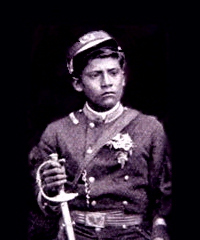
Prince Robert Henry Clarence, Chief of Mizquito (also Miskito/Miskitu) in Rama Cay (cerca 1905)
An object can be an instrument that can link us outside time and space, an object can be a time machine that can put us in dialogue with the past and send our voice to the future. It can be a link in geography, extending our arms to other parts of the world. The only thing we need is to open our mind and learn to listen, to read, to allow ourselves to be transported.
One single object can tell us many stories, can help us to understand the destiny of many people and can help us to be more flexible about our historical understanding.
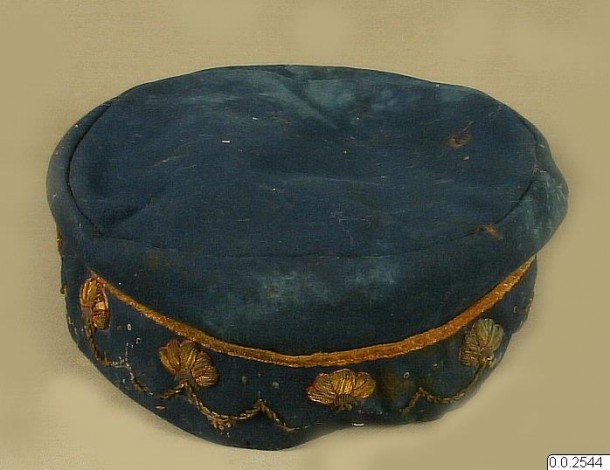
In Göteborg, there is a cap, the information in the original register says: “Object number 2544 donated 1908: cap used by the last Indian Chief Robert Clarence”. This information suggests that the object comes from the area of the Miskitu people. Chief Robert Henry Clarence (born in 1872 and died in 1908 in Kingston) was the last king of the Miskitu people, before the coast was conquered by the English Empire and became part of the current territory of Nicaragua.
In 1894, the Nicaraguan government annexed the area of Bluefields. The soldiers took hold of the government buildings and the archives of the Mosquito Coast area and raised the flag of Nicaragua. General Carlos Lacayo from the Nicaraguan forces said that the area was misgoverned by Jamaican blacks. The Miskitu people and Robert Clarence were declared rebels. Clarence was rescued by the British and went to exile in Jamaica, where he lived with a British pension the rest of his life.
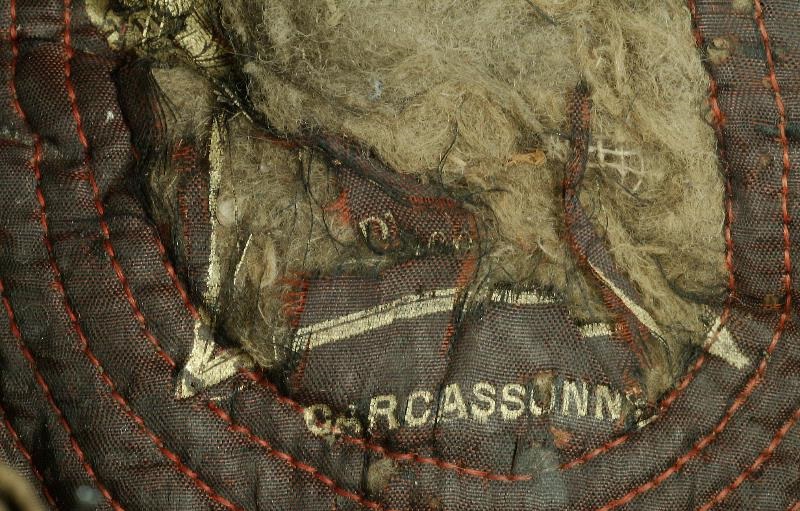
Detail of cap, 1908.14.0010.
The cap was manufactured in Carcassonne, France in the middle of the 19th century (probably bought by the English Army), and donated to the Ethnographic department of the Göteborgs museum in 1908 by August Bräutigam. How August Bräutigam received this collection is unknown in the register at the museum. And who was August Bräutigam?
August was the oldest son of Emil Bräutigam. Emil was an immigrant from Germany who established himself in Gothenburg in the middle of the 19th century. Emil and his wife Beata had nine children. Beata had a brother working in Nicaragua. Seven of their children went to Nicaragua and two of them became Nicaraguans.
August went there when he was 12 years old. He lived in the Bluefields area in 1883. Among other businesses they worked or dealt with the United Fruit Company. There they came in contact with the Miskitu people. The contacts were kept between the two countries during many decades.
The cap of Robert Clarence is now in Gothenburg, in the storage rooms and can tell us many stories that are linked together.
It can tell us: the history of a textile workshop in Carcassonne and all its implication; the history of how Nicaragua became a nation/state; the relation of Mizkitus’ and the English Empire; the establishment of American Fruit in Central America; the construction of the Panama Channel. It can also tell us about Gothenburg and the first immigrants coming to the city; the relations between Sweden and Nicaragua for over a 100 years….and many other stories….
We can probably conclude that this cap is not a simple cap and its biography continues. What kind of new stories will be collected in the future?


